
Why Brands With Strong SEO Go Invisible in AI Search
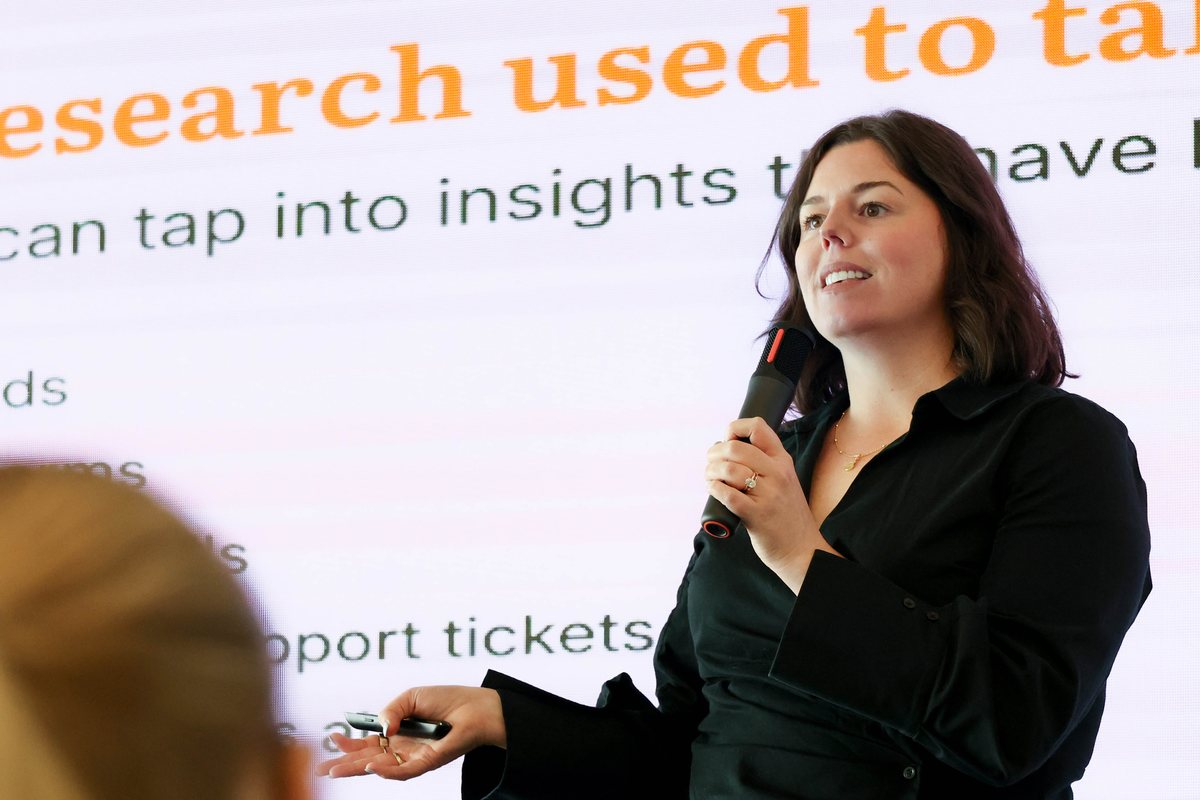
A TikTok of mine explaining what CMOs should be doing for their brand’s AI visibility landed on the FYP of an SEO marketer. He was adamant that AI visibility is just SEO — comment after comment, doubling down on his perspective.
But if it were all just SEO, I don’t know how my business would be this slammed right now. Your own brand’s analytics probably prove my point — your traditional search traffic is sliding, and you’ve got no real read on how you show up in AI. The content marketing teams who will be successful during this shift in search aren’t the ones who will die on the “it’s still SEO” hill — they’re taking the “yes, and” route. Yes, SEO still matters, and there’s a new layer on top of it. The ones insisting nothing changed are the ones about to watch their clients go invisible in AI.
Because brands with strong traditional search go invisible in AI even when their SEO is great. People describe whole situations to AI instead of typing keywords, AI cites sources instead of ranking pages, and each engine pulls from a different set of places — so a brand can own page one of Google and still be missing from the answer AI hands your buyer.
How does a brand rank #1 and still not show up in AI?
I work with a client that ranks well in traditional search and leads their category in AI share of voice — strong by every normal measure. But when I looked at where AI pulls its answers about them, only about 2 in 10 came from their own site. The other 8 came from third-party pages they don’t control. Ranking put their pages at the top of Google. AI still built its answers from someone else’s. (More on why one AI score fools people.)
Why doesn’t your keyword-optimized content show up in AI?
Traditional SEO is built around keywords — short, clipped phrases. The average Google search is about 3.4 words; the average AI prompt is around 23, nearly 6× longer. Someone doing a bathroom remodel used to type “matte black faucet.” Now they describe the whole situation to AI — the budget, the constraint, the room, the timeline. Your keyword-optimized page may never match how people actually ask AI, so it never gets pulled into the answer.
What’s the difference between ranking and getting cited?
For a decade the whole game was to rank the page so a human clicks. Now AI reads the web, synthesizes an answer, and cites the sources it built that answer from — often with no click at all. Your site can rank beautifully and still not be the source AI reaches for. (The mention-vs-citation difference breaks this down.)
Do all AI platforms pull from the same sources?
No — and that’s why “I rank on Google” only gets you part of the way. ChatGPT leans on Wikipedia and editorial sources; Perplexity leans hard on Reddit; Google’s AI leans on YouTube and its own index. So your strong Google SEO helps Google’s AI more than it helps the chatbots — one surface, not all of them.
So how do you get your brand into AI answers?
Keep your SEO — it’s the foundation, and AI often pulls from what already ranks. Then layer on what it misses — audit where you actually stand across the engines (here’s how), dig into the real questions your buyers ask AI, make your content answer-first so it’s extractable, get into the third-party sources each engine trusts, and measure citations instead of rankings. The full playbook is in my answer engine optimization guide — and if you’re a big brand, here’s what that looks like at your scale. If a redesign’s on the table, here’s how to bake it into the RFP.
Strong SEO got you to page one. It won’t get you into the answer on its own — and that gap is exactly where I see brands losing ground right now.
I’m Laura Seelinger, founder of LSX Partners. If your brand ranks well but you’re not sure whether AI is recommending you or a competitor, that’s the gap I close.
Sources
- Average Google search query length ~3.4 words (US): Growth Memo, 2025.
- Average AI/LLM prompt ~23 words, roughly 6× a traditional search: SOCi 2026 Visibility Index.
Questions I get about this
Does strong SEO help AI visibility?
It's the foundation — AI often pulls from what already ranks — but it's not enough on its own. AI cites sources, grounds differently per engine, and answers conversational prompts, so a strong-SEO brand can still be absent from AI answers.
Why does my brand rank on Google but not show up in AI?
Ranking wins the click; getting cited wins the AI answer, and they're different events. Your page can rank at the top and still not be the source AI quotes back — AI often builds its answer from third-party pages instead.
Is AI visibility just SEO?
The fundamentals overlap, but the strategy differs: people describe whole situations to AI instead of typing keywords, AI cites sources instead of ranking pages, and each engine grounds on different sources. If it were the same, SEO-strong brands would automatically win AI — they don't.
How do I show up in AI search if my SEO is already good?
Keep the SEO, then add what it misses: audit where you stand across the engines, optimize for the real questions buyers ask AI, make content answer-first so it's extractable, get into the third-party sources AI trusts, and measure citations instead of rankings.